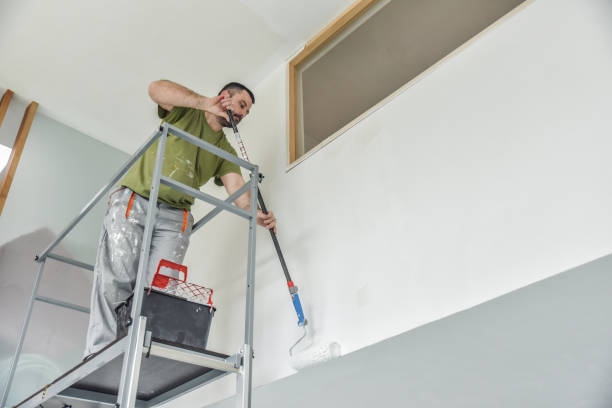
Painting is a versatile process used to enhance the aesthetic and functional qualities of surfaces, but interior and exterior painting require distinct techniques due to differences in environmental factors and material needs. Understanding these distinctions is essential for delivering long-lasting results that suit the purpose of each project.
Purpose and Environmental Exposure
- Interior Painting: Focuses on aesthetics, creating a visually appealing space that complements the décor. Indoor paint is protected from weather elements but must endure wear from normal household activities such as cleaning, furniture movement, or minor scuffs.
- Exterior Painting: Prioritizes protection against weather elements like sunlight, rain, wind, and humidity while also improving curb appeal. Outdoor paints are formulated to resist fading, cracking, peeling, and mildew over time.
Paint Formulation
| Feature | Interior Paint | Exterior Paint |
| Durability | Designed for easy cleaning; resists staining | Resists harsh weather conditions like UV rays, rain, snow |
| Finish Options | Available in matte, eggshell, satin finishes | Comes in semi-gloss or gloss for durability over time |
| Odor Levels | Low-VOC (Volatile Organic Compounds) formulas for better indoor air quality | May contain higher VOCs to withstand outdoor stressors |
Application Techniques
- Focus on smooth brush strokes or roller applications for even coverage.
- Tape edges meticulously to achieve clean lines around baseboards or moldings.
- Use primers that promote adhesion without affecting indoor air quality.
- Apply multiple thin coats for a polished look.
- Pressure wash surfaces before painting to remove dirt or mildew buildup.
- Address cracks with caulk or fillers before applying paint.
- Utilize sprayers for large surface areas like siding while maintaining consistent coverage.
- Apply weather-resistant primer before final coats.
Drying Time Considerations
Drying time can vary significantly between interior and exterior paints due to ventilation differences:
– Indoors: Controlled humidity levels minimize drying times; faster-drying formulas are often preferred to reduce disruptions during home use.
– Outdoors: Weather conditions such as temperature fluctuations or rain can impact drying time significantly; always check forecasts prior to starting an outdoor project.
By understanding these key distinctions between interior and exterior painting techniques — including their formulations, application methods, and environmental requirements — homeowners can make well-informed decisions that ensure durability as well as aesthetic appeal for their spaces.
Expert Tips from Orlando Painters for Achieving the Perfect Indoor Aesthetic
Interior painting is a critical aspect of home improvement as it sets the tone and mood of your living space. Achieving a flawless finish requires not only selecting the right colors but also employing proper techniques and tools. Below are some essential tips and tricks for mastering interior painting.
Step 1: Selecting the Right Paint
Choosing the right paint is crucial for both functionality and aesthetic appeal. The type of paint you choose can significantly influence durability, coverage, and overall finish.
Consider these factors when selecting paint:
– Sheen:
– Flat or Matte: Best for ceilings or low-traffic areas. Hides imperfections but can be challenging to clean.
– Eggshell: Slightly more durable than matte with a soft sheen, ideal for living rooms and bedrooms.
– Satin: Versatile finish suitable for kitchens, bathrooms, and high-traffic areas due to its durability and easy cleaning properties.
– Semi-Gloss/Gloss: Great for trim, doors, or cabinetry where extra durability or shine is needed.
- Latex Paint (Water-Based): Dries quickly, low odor, easy cleanup with soap and water.
- Oil-Based Paint: Offers a smoother finish but takes longer to dry; cleanup requires solvents like mineral spirits.
Step 2: Preparing Your Space
Proper preparation ensures a professional-looking result while protecting your furniture and floors from damage.
- Clear the Room – Remove as much furniture as possible or move items to the center of the room and cover them with drop cloths.
- Clean Surfaces – Wash walls using mild soap and water to remove dirt, grease, or dust.
- Repair Imperfections – Fill holes or cracks using spackle; sand rough surfaces once dried.
- Tape Off Edges – Use painter’s tape along baseboards, window frames, trim edges, or anywhere you want sharp lines.
Step 3: Using Proper Tools
The right tools can make a world of difference in achieving even coverage.
| Tool | Purpose |
| Roller | Covers large wall areas efficiently |
| Angled Brush | Ideal for cutting in around edges like windowsills |
| Paint Tray | Holds paint while providing an even distribution on rollers |
| Painter’s Tape | Ensures clean edges around trims |
Step 4: Applying Paint Effectively
- Start with cutting in edges using an angled brush before using rollers.
- Apply paint in an overlapping “W” pattern to avoid streaking.
- Work from top to bottom—begin at the ceiling line and work downward.
- Allow adequate drying time between coats based on manufacturer recommendations.
Step 5: Accent Walls & Special Effects
- Use accent walls sparingly by choosing bold colors that complement neutral tones elsewhere in the room.
- Experiment with textures such as sponging or color washing to create unique visual interest.
By carefully selecting materials, prepping meticulously, utilizing appropriate tools, and practicing thoughtful application techniques, you can transform any interior space into one that embodies style while maintaining practicality over time.
Surface Preparation Tips for Flawless Interior Painting Orlando Results
Proper surface preparation is a crucial step in achieving a flawless paint job. Skipping or rushing this process can result in uneven finishes, peeling paint, or reduced durability over time. Below are key considerations and methods for preparing surfaces effectively before painting.
Why Surface Preparation Matters
- Durability: Adequate prep work ensures that paint adheres properly and lasts longer.
- Aesthetics: A well-prepared surface leads to a more uniform finish.
- Cost-effectiveness: By preventing peeling or cracking, you reduce the need for future repairs or repainting.
Key Steps in Surface Preparation
- Cleaning the Surface
Dirt, grease, mildew, and other contaminants can prevent paint from adhering correctly. Cleaning methods depend on the type of surface: - For interior walls: Use mild detergent and water to wipe down the walls; rinse thoroughly to remove soap residue.
- For exterior surfaces: Pressure washing is often necessary to remove dirt buildup and mildew.
- Repairing Damage
Inspect the surface for cracks, holes, or other imperfections that need repair before painting: - Use spackling paste to fill small holes on drywall.
- Repair cracks in masonry with caulk or concrete filler.
- Sand rough areas until smooth.
- Sanding
Sanding creates a smooth surface by removing imperfections like old layers of peeling paint or uneven textures: - Use fine-grit sandpaper for minor smoothing.
- Opt for coarse-grit sandpaper when removing heavy layers of old paint.
- Priming
Applying primer helps create a uniform base for your topcoat while improving adhesion and covering stains: | Surface Type | Recommended Primer | |———————–|———————————-| | Drywall | Water-based primer | | Wood | Stain-blocking oil-based primer | | Metal | Rust-inhibiting primer | - Masking and Taping
Protect areas not intended for painting by masking them with painter’s tape and drop cloths: - Cover doorframes, windowsills, and light switches.
- Ensure tape edges are firmly pressed down to prevent bleed-through.
Tools Required for Effective Surface Prep
- Scrapers (to remove flaking paint)
- Sandpaper (various grits)
- Cleaning brushes/sponges
- Caulking gun
- Painter’s tape
- Drop cloths/plastic sheeting
- Primer (appropriate for your surface type)
Common Mistakes to Avoid During Preparation
Avoid these common errors when preparing surfaces: – Skipping cleaning: Painting over dirty surfaces reduces longevity. – Ignoring priming: Neglecting primer can result in uneven color application. – Using incorrect tools: Choose tools suited specifically for your surface material.
Taking time to prepare your surfaces thoroughly ensures lasting results while enhancing the overall appearance of your project.
Surface Preparation Tips from a Leading Painting Company Orlando Residents Trust
Proper surface preparation is a critical step in achieving a flawless and long-lasting paint job. Whether you’re painting interior walls or the exterior of your home, taking the time to prepare surfaces effectively ensures better adhesion, fewer imperfections, and improved durability. Below, we’ll explore essential practices for preparing both interior and exterior surfaces for painting.
Why Surface Preparation Matters
- Enhanced Adhesion: Proper cleaning and priming allow paint to adhere securely to surfaces.
- Smooth Finish: Filling cracks and sanding down imperfections ensures an even application.
- Extended Durability: Prepped surfaces protect against moisture infiltration and environmental damage.
- Time & Cost Efficiency: A well-prepared surface reduces the need for frequent repaints or touch-ups.
1. Clean the Surface
Dirt, grease, mold, or mildew on the surface can interfere with paint adherence.
- Use a mild detergent solution with water to clean grime from walls.
- Rinse thoroughly with clean water and let it dry completely.
- Consider power washing to remove dirt, old paint residue, and environmental contaminants.
Make sure all cleaning agents are fully removed before proceeding.
2. Repair Damages
Inspect surfaces for cracks, holes, dents, or loose materials.
- Use spackling paste or joint compound to fill small holes or cracks in interior walls.
- Repair with appropriate fillers (e.g., epoxy filler for wood).
- Reinforce structural integrity before starting the painting process.
Allow repairs to dry fully before moving ahead.
3. Sanding
Sanding creates a smooth surface by removing imperfections like old paint flakes or uneven textures.
| Type of Sandpaper | Purpose |
| Coarse Grit (40–60) | To remove old paint layers |
| Medium Grit (80–120) | To smooth rough patches |
| Fine Grit (180–220) | Final sanding before priming |
Be sure to wipe away dust particles after sanding using a damp cloth or vacuum-equipped brush attachment.
4. Apply Primer
Primer acts as an undercoat that improves adhesion and enhances the final appearance of your paint job. It also seals porous materials like drywall or bare wood.
Tips for choosing the right primer: – Use an oil-based primer for stained surfaces. – Choose latex primers for most drywall applications. – Consider specialty primers designed for metal or glossy finishes if applicable.

Common Mistakes in Surface Preparation
- Skipping Cleaning Steps
Paint won’t adhere properly if dirt remains on the surface. - Ignoring Moisture Issues
Always address water stains or leaks before starting any prep work. - Using Improper Tools
Ensure you have high-quality brushes, sandpaper blocks, scrapers, and other necessary equipment on hand. - Rushing Through Primer Application
Allow sufficient drying time between each coat of primer if multiple layers are needed.
Pro Tip: Test Your Prepared Surface Before Painting
Before applying your first coat of paint: – Run your hand across the surface; it should feel smooth without debris. – Spray a small amount of water onto exterior walls; no beading indicates proper priming is complete.
Taking this extra step ensures you’re set up for success when applying your chosen finish coat.
How to Choose an Orlando Painting Company That Delivers Quality Results
Hiring a professional painting company can transform your space, whether you’re updating an indoor area or refreshing the exterior of your property. However, choosing the right painting company requires careful consideration to ensure quality results. Below are essential factors to evaluate when selecting a painting contractor.
Experience and Reputation
- Years of Experience: Established businesses often have proven expertise and a track record of delivering high-quality results.
- Positive Reviews: Check online reviews on platforms like Google, Yelp, and the Better Business Bureau (BBB). Consistent positive feedback is a good indicator of reliability.
- References: Request references from past clients or look for portfolios showcasing completed projects.
Licensing and Insurance
- Licensing: Ensure the contractor holds valid licenses required by local or state regulations.
- Liability Insurance: Protects against accidental damage to your property.
- Worker’s Compensation Insurance: Covers injuries sustained by workers while on your property.
Hiring an unlicensed or uninsured company could leave you financially responsible for damages or accidents.
Expertise in Specific Painting Techniques
- Decorative finishes (e.g., faux finishes).
- Achieving smooth walls with minimal imperfections.
- Color consultation services specific to indoor aesthetics.
- Weather-resistant coatings tailored for outdoor surfaces.
- Proper preparation techniques for brick, stucco, or siding materials.
Ask questions about their process and how they handle challenging surfaces.
Use of High-Quality Materials
| Material Type | Importance |
| Paint Brands | Reputable brands like Sherwin-Williams or Benjamin Moore often provide better coverage and durability. |
| Primers | High-quality primers improve paint adhesion and reduce long-term peeling issues. |
| Tools & Equipment | Advanced tools ensure even application and reduce mistakes during the process. |
Confirming their choice of materials reflects their commitment to delivering quality outcomes.
Transparent Pricing
- Labor costs.
- Paint and material expenses.
- Surface preparation fees (e.g., sanding, priming).
- Additional charges for repairs if needed.
Beware of unusually low quotes as they may indicate poor quality work or hidden fees.
Communication Skills
- Respond promptly to inquiries via phone or email.
- Provide clear timelines for completing each stage of work.
- Offer updates throughout the project’s duration.
Miscommunication can lead to errors in color selection, scheduling conflicts, or budget overruns.
Warranties and Guarantees
- Warranty period (e.g., one year vs multiple years).
- Coverage details (e.g., peeling paint repairs caused by improper application).
- Conditions under which guarantees apply (e.g., proper maintenance by homeowners).
This demonstrates that they stand behind their workmanship.
By taking these factors into account when evaluating potential contractors, you can select a professional painting company that aligns with your needs while delivering exceptional results tailored to your project goals.
Understanding How Surface Materials Affect Paint Application and Longevity
When it comes to painting, the type of surface material plays a critical role in determining how paint adheres, how it appears once applied, and its longevity. Understanding these differences is essential to achieving a durable and visually appealing finish. Here’s a closer look at how various surface materials impact paint application and performance.
Common Surface Materials and Their Properties
| Surface Material | Characteristics | Challenges in Painting |
| Drywall | Smooth; porous | May absorb paint unevenly if not primed properly |
| Wood | Porous with grain | Susceptible to moisture, leading to warping or peeling |
| Brick/Stone | Textured; non-porous or semi-porous | Can be difficult to achieve coverage on uneven surfaces |
| Metal | Smooth; non-porous | Requires rust prevention and proper adhesion techniques |
| Concrete | Porous; rough | Tends to absorb moisture, requiring specific sealants |
Impact on Paint Application
- Always use a primer to seal the porous surface for even paint absorption.
- Sand rough areas for a smooth finish before applying paint.
- Fill any cracks or knots with wood filler before painting.
- Sand the surface to ensure proper adhesion. Use paints labeled specifically for wood surfaces.
- Clean thoroughly to remove dirt and loose particles before painting.
- Use masonry paints that are formulated for textured surfaces.
- Apply an anti-rust primer if the metal is prone to corrosion.
- Choose oil-based paints for long-lasting results on metal surfaces.
- Allow new concrete at least 30 days to cure before painting.
- Apply a concrete-specific primer or sealer first.
Surface Preparation Tips
- Clean: Remove dirt, grease, or mildew from all surfaces.
- Repair: Fill holes or cracks with appropriate fillers (e.g., spackle for drywall or epoxy filler for concrete).
- Sand: Smooth out imperfections on materials like wood or drywall.
- Prime: Select primers suited specifically for each surface material (e.g., stain-blocking primer for wood).
Ensuring Longevity
The longevity of your painted surface depends on several factors: – Type of Paint: High-quality paints typically last longer regardless of the material they’re applied on. – Environmental Factors: Ensure you use weather-resistant paints on exterior surfaces exposed to sunlight and rain. – Regular Maintenance: Clean painted surfaces periodically and address any chips or cracks promptly.
By understanding how different materials affect paint application and durability, you can make informed decisions that save time, effort, and money in the long run while achieving professional results tailored specifically to each unique surface type.
- Expert Tips for Hiring a Painter Orlando, FL: Weather-Safe Prep, Timing, and Costs
- A Comprehensive Guide to Hiring a Painter Orlando, FL for Your Interior Painting Needs
- How Orlando Painting Services Can Significantly Boost Your Home’s Value
- Essential Painting Tips from a Painter Orlando, FL: Interior vs. Exterior Techniques
- How Often Should You Hire a Painter in Orlando, FL to Paint Your House’s Exterior and Interior?
- Interior Painting Orlando: Cost, Process, and Choosing the Right Painting Service
- Orlando Painting: Everything You Need to Know About This Vibrant Architectural Element